
Jaywalking, the act of crossing the street outside of designated crosswalks or against traffic signals, might seem like a minor infraction, but it carries significant legal and safety implications. For residents and visitors in Alabama, understanding jaywalking laws is crucial for both safety and compliance. This article delves into the top ten facts about jaywalking is illegal in Alabama, providing a comprehensive look at its legal framework, consequences, and impact on public safety.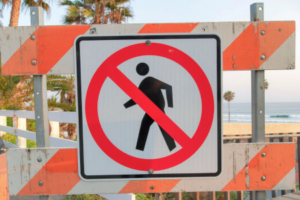
Fact 1: Definition of Jaywalking
Jaywalking occurs when a pedestrian crosses the street in areas not designated for pedestrian use or in disregard of traffic signals. In Alabama, this includes crossing streets without using crosswalks or pedestrian bridges where available, or crossing against a red traffic signal. Understanding this definition is vital for pedestrians to avoid inadvertent violations.
Fact 2: Legal Consequences
In Alabama, jaywalking is considered a misdemeanor offense. Penalties can range from a warning to fines, depending on the situation and whether it’s a repeat offense. While a single infraction might seem minor, multiple violations can result in increased fines and even affect one’s driving record, leading to potential hikes in insurance premiums.
Fact 3: Comparative State Laws
Alabama’s jaywalking laws are somewhat similar to those in neighboring states, but there are distinct differences. For instance, while many states have specific fines for jaywalking, Alabama’s penalties can vary more widely depending on the circumstances. Understanding these nuances can help residents who travel between states stay compliant with varying laws.
Fact 4: Safety Statistics
Pedestrian safety is a significant concern in Alabama. According to the Alabama Department of Transportation, pedestrian accidents have increased, with jaywalking being a notable contributor. Studies show that a significant percentage of pedestrian fatalities occur outside of crosswalks, highlighting the dangers associated with jaywalking.
Fact 5: Law Enforcement Practices
Enforcement of jaywalking laws in Alabama is taken seriously, especially in urban areas with high pedestrian traffic. Police officers often conduct public awareness campaigns and increase patrols in areas prone to jaywalking. These measures aim to reduce accidents and improve overall pedestrian safety.
Fact 6: Public Perception
Public attitudes towards jaywalking laws in Alabama are mixed. While many people understand the safety concerns, others view the laws as overly strict. Surveys indicate a need for more public education to help residents understand the risks and legal implications of jaywalking.
Fact 7: Historical Context
Jaywalking laws have evolved in Alabama. Initially, these laws were implemented to address the increasing number of pedestrian accidents in urban areas. Over the years, the laws have been refined to better address the complexities of modern traffic and pedestrian interactions.
Fact 8: Urban vs. Rural Considerations

There is a significant difference in jaywalking incidences between urban and rural areas in Alabama. Urban areas see higher rates of jaywalking due to denser populations and more frequent pedestrian traffic. Conversely, rural areas, with fewer designated crosswalks and pedestrian infrastructure, also face unique challenges in enforcing jaywalking laws.
Fact 9: Case Studies
Examining real-life cases of jaywalking incidents can provide valuable insights. For example, a high-profile case in Birmingham involved a pedestrian who was struck while jaywalking, leading to a legal battle over liability and pedestrian rights. Such cases highlight the importance of adhering to jaywalking laws for both safety and legal protection.
Fact 10: Prevention and Education
Preventing jaywalking requires a multifaceted approach. The critical components are public education campaigns, improved signage, and better infrastructure. Programs to raise awareness about the dangers of jaywalking and the importance of using crosswalks can significantly reduce the incidence of pedestrian accidents.
Is Jaywalking Illegal in Alabama?
Yes, jaywalking is illegal in Alabama. The state has specific laws that define and penalize jaywalking to ensure pedestrian safety and orderly traffic flow. Violating these laws can result in fines and other legal consequences, emphasizing the need for pedestrians to adhere to designated crossing areas and signals.
Key Points About Jaywalking in Alabama
- Jaywalking is defined as crossing streets outside of designated areas or against traffic signals.
- Legal consequences for jaywalking include fines and potential impacts on driving records.
- Alabama’s jaywalking laws are similar to those of neighboring states but with unique aspects.
- Safety statistics highlight the risks and fatalities associated with jaywalking.
- Law enforcement actively patrols and enforces jaywalking laws to improve public safety.
- Public perception varies; some view the laws as necessary and others as overly strict.
- Jaywalking laws in Alabama have evolved to address modern traffic and pedestrian interactions.
- Urban areas see higher jaywalking incidences compared to rural areas, each facing unique challenges.
- Real-life case studies illustrate the importance of adhering to jaywalking laws.
- Prevention and education efforts are crucial in reducing jaywalking and improving pedestrian safety.
FAQs About Jaywalking Is Illegal in Alabama
Q: What is considered jaywalking in Alabama?
A: Jaywalking in Alabama includes crossing streets outside of designated crosswalks, against traffic signals, or in areas where pedestrian crossing is not allowed.
Q: What are the penalties for jaywalking in Alabama?
A: Penalties for jaywalking in Alabama can range from warnings to fines, with the amount depending on the specific circumstances and frequency of offenses.
Q: How do jaywalking laws in Alabama compare to those in other states?
A: While similar in intent, Alabama’s jaywalking laws can differ in terms of penalties and enforcement practices compared to neighboring states. It’s important to understand the specific regulations in each state.
Q: Why is jaywalking dangerous?
A: Jaywalking increases the risk of accidents and fatalities as it often involves crossing streets in unexpected areas, making it harder for drivers to anticipate and react to pedestrians.
Q: Are there any exceptions to jaywalking laws in Alabama?
A: Certain emergencies might be considered exceptions, but generally, pedestrians are expected to adhere to jaywalking laws at all times.
Understanding jaywalking laws in Alabama is essential for both residents and visitors. By adhering to these laws and using designated crossing areas, pedestrians can significantly reduce their risk of accidents and ensure they stay on the right side of the law. Public education and infrastructure improvements are key components in fostering a safer environment for everyone.
If you have any questions or need legal assistance regarding jaywalking or any personal injury matters, contact Jacob A. Maples Personal Injury Lawyer today!

Jacob A. Maples
Jacob holds an AV Preeminent Rating from Martindale-Hubbell – a distinction held by approximately 10% of all attorneys. Jacob’s practice is focused on civil litigation. He primarily represents individuals in personal injury matters as well as disputes with insurance carriers.