
Pedestrian safety is an essential aspect of road safety that is often overlooked. As vulnerable road users, pedestrians are at a higher risk of injury in traffic accidents. Whether walking in bustling urban areas, quiet suburban neighborhoods, or rural roads, understanding and following road safety guidelines for pedestrians can significantly reduce the risk of accidents. This blog will explore road safety guidelines for pedestrians, highlight the importance of staying alert, and discuss why choosing an experienced attorney like Jacob A. Maples Personal Injury Lawyer can be crucial if you find yourself involved in a pedestrian accident.
General Road Safety Guidelines for Pedestrians
Pedestrians should always be mindful of their surroundings and adhere to specific safety practices when navigating roads.
1. Use Designated Crosswalks
Designated crosswalks are there for a reason—they provide a safe passage for pedestrians across busy streets. Always use crosswalks when crossing the road, and ensure you follow the traffic signals. Crossing the road at non-designated points, known as jaywalking, can be extremely dangerous and is often illegal.
2. Obey Traffic Signals
Traffic signals are in place to protect both pedestrians and drivers. Understanding pedestrian signals and waiting for the green light is crucial. Do not assume that drivers will always stop; ensure that vehicles have completely halted before stepping onto the road.
3. Be Visible to Drivers
Visibility is critical, especially during low-light conditions such as dusk, dawn, or night. Wearing bright or reflective clothing can make a significant difference in how well drivers can see you. Carrying a flashlight or using your phone’s light can also improve your visibility.
4. Avoid Distractions
Distractions are a leading cause of pedestrian accidents. Whether it’s using your phone, listening to music, or being engrossed in conversation, distractions can prevent you from noticing oncoming vehicles or other hazards. Staying alert, especially in high-traffic areas, can save your life.
Specific Road Safety Tips for Different Environments
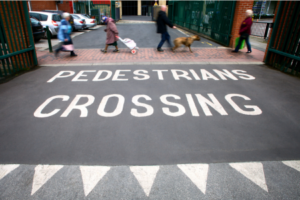
Pedestrian safety varies depending on the environment. The challenges in urban, suburban, and rural areas differ, requiring tailored safety practices.
1. Urban Areas
Urban areas are characterized by heavy traffic, busy intersections, and crowded sidewalks. Pedestrians should be particularly cautious at intersections and ensure they have a clear view of oncoming traffic before crossing. It’s also important to be aware of vehicles making turns, as drivers may not always see pedestrians in their path.
2. Suburban Areas
Suburban areas may seem safer due to lower traffic volumes, but risks still exist. Drivers in suburban neighborhoods often drive faster than they should, assuming the streets are clear. Pedestrians should be cautious when crossing streets, especially near driveways where vehicles might be backing out.
3. Rural Areas
In rural areas, pedestrians often have to walk along roads without sidewalks. It’s vital to walk facing oncoming traffic and as far off the road as possible. Visibility can be a challenge in rural areas, so wearing reflective clothing and using a flashlight is even more critical.
Road Safety Guidelines for Special Groups
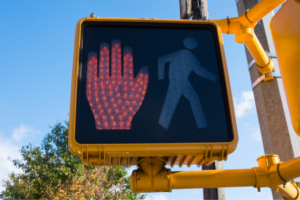
Certain groups of pedestrians, such as children, the elderly, and people with disabilities, require additional safety considerations.
1. Children
Children are at a higher risk of pedestrian accidents due to their small size and unpredictable behavior. Teaching children about road safety from an early age is essential. They should understand the importance of using crosswalks, obeying traffic signals, and staying close to an adult when walking near roads.
2. Elderly
Elderly pedestrians may have reduced mobility, slower reaction times, and difficulties seeing or hearing. It’s important for elderly individuals to take extra time when crossing streets and to use aids like canes or walkers for added stability.
3. People with Disabilities
People with disabilities may face unique challenges when navigating roads. Wheelchair users, for example, should use curb ramps and crosswalks whenever possible. Those with visual impairments can use a white cane or guide dog, and drivers should be especially vigilant in looking out for these pedestrians.
Common Pedestrian Hazards and How to Avoid Them
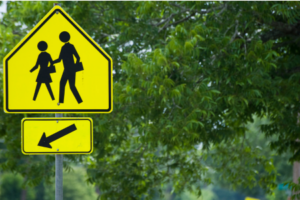
Even when following general safety guidelines, pedestrians may still encounter hazards. Understanding these risks and how to avoid them can prevent accidents.
1. Jaywalking
Jaywalking is the act of crossing the road outside of a designated crosswalk. It’s dangerous because drivers are not expecting pedestrians in these areas, making it more difficult to react in time. Always cross at designated points to avoid this hazard.
2. Crossing Between Parked Cars
Crossing between parked cars can be dangerous as it limits both your visibility and that of drivers. Vehicles may not see you until it’s too late. Instead, walk to the nearest crosswalk or corner where you have a clear view of oncoming traffic.
3. Walking While Impaired
Walking while under the influence of alcohol or drugs is just as dangerous as driving while impaired. Intoxication can slow reaction times and impair judgment, increasing the risk of accidents. If you’ve been drinking, consider taking a cab, using a rideshare service, or asking for a ride from a sober friend.
Technology and Road Safety Guidelines For Pedestrians
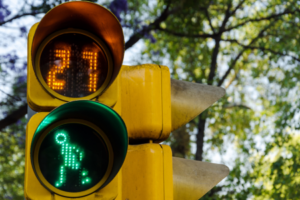
Advancements in technology have led to new tools and features designed to improve pedestrian safety.
1. Pedestrian Apps
Several smartphone apps are available to help pedestrians navigate safely. These apps can provide real-time information about traffic conditions, suggest safe routes, and even send alerts when you’re approaching a dangerous intersection.
2. Smart Traffic Lights and Sensors
Smart traffic lights and sensors are being implemented in many cities to improve pedestrian safety. These systems can detect when a pedestrian is waiting to cross and adjust traffic signals accordingly, ensuring that vehicles stop in time.
Why Choose Jacob A. Maples for Your Pedestrian Accident Case?
If you’ve been involved in a pedestrian accident, having a knowledgeable attorney on your side can make all the difference. Jacob A. Maples Personal Injury Lawyer has extensive experience handling pedestrian accident cases. He understands the complexities of these cases and will work tirelessly to ensure you receive the compensation you deserve.
Jacob A. Maples provides personalized attention to each case, ensuring that all details are meticulously examined. His commitment to his client’s well-being and his deep understanding of pedestrian accident laws in Alabama make him a top choice for anyone seeking legal representation after a pedestrian accident.
FAQs
What Should I Do If There’s No Crosswalk?
If there’s no crosswalk available, find the safest spot to cross where you have a clear view of oncoming traffic in both directions. Make sure drivers see you before you step onto the road.
Is It Safe to Walk While Listening to Music?
Walking while listening to music can be safe if you keep the volume low enough to hear your surroundings. However, it’s best to avoid using headphones in high-traffic areas where being fully alert is crucial.
How Can I Increase My Visibility at Night?
Wearing bright, reflective clothing and carrying a flashlight can significantly increase your visibility at night. Walking in well-lit areas also helps ensure that drivers can see you.
Are There Any Apps That Can Help Me Stay Safe While Walking?
Yes, several apps provide real-time traffic updates, suggest safer walking routes, and send alerts about potential hazards. These apps can be useful tools for enhancing pedestrian safety.
What Should I Teach My Children About Pedestrian Safety?
Teach your children to always use crosswalks, obey traffic signals, and stay close to an adult when near roads. Emphasize the importance of staying alert and avoiding distractions like phones or toys when walking.
Conclusion
Pedestrian safety is a shared responsibility between drivers and pedestrians. By following the guidelines outlined in this blog, you can significantly reduce the risk of accidents and ensure a safer environment for everyone. However, if you or a loved one is involved in a pedestrian accident, having a seasoned attorney like Jacob A. Maples by your side can be invaluable. His expertise and dedication to justice will help you navigate the complexities of your case and secure the compensation you deserve. Stay safe, stay alert, and remember—road safety is everyone’s responsibility.

Jacob A. Maples
Jacob holds an AV Preeminent Rating from Martindale-Hubbell – a distinction held by approximately 10% of all attorneys. Jacob’s practice is focused on civil litigation. He primarily represents individuals in personal injury matters as well as disputes with insurance carriers.