
Personal injury law is a broad and complex field, encompassing a wide range of cases where individuals suffer harm due to the actions or negligence of others. At Jacob A. Maples, we specialize in representing clients in various personal injury cases to ensure they receive the compensation and justice they deserve. This blog will delve into the types of cases we handle, providing a comprehensive overview for those seeking legal assistance.
Introduction to Personal Injury Law
Definition of Personal Injury Law
Personal injury law, also known as tort law, is designed to protect individuals who have been harmed by the negligence, recklessness, or intentional actions of others. It allows the injured party to seek compensation for their losses, including medical expenses, lost wages, pain and suffering, and more.
Role of a Personal Injury Lawyer
A personal injury lawyer advocates for the injured party, handling all aspects of the legal process to ensure the client’s rights are protected. This includes investigating the incident, gathering evidence, negotiating with insurance companies, and representing the client in court if necessary.
Importance of Personal Injury Law in Society
Personal injury law plays a crucial role in maintaining public safety and accountability. It ensures that those who cause harm are held responsible and provides a means for victims to recover from their injuries and losses.
Common Types of Personal Injury Cases
At Jacob A. Maples, we handle a variety of personal injury cases, each requiring a unique approach and expertise.
Types of Personal Injury Cases
| Case Type | Examples | Key Considerations |
|---|---|---|
| Motor Vehicle Accidents | Car, Motorcycle, Truck, Pedestrian, Bicycle | Driver negligence, road conditions, vehicle defects |
| Medical Malpractice | Misdiagnosis, Surgical Errors, Birth Injuries, Medication Errors | Standard of care, medical records, expert testimony |
| Workplace Accidents | Construction, Industrial, Office-Related, Workers’ Compensation | Workplace safety regulations, employer liability |
| Slip and Fall Accidents | Premises Liability, Public Property, Retail Store | Property maintenance, hazards |
| Product Liability | Defective Products, Dangerous Pharmaceuticals, Defective Medical Devices | Product safety, manufacturing defects, warning labels |
| Assault and Battery | Physical Assault, Domestic Violence, Sexual Assault | Intent, severity of injuries, evidence of attack |
Motor Vehicle Accidents
Car Accidents
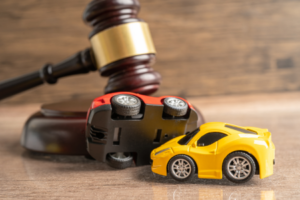
Car accidents are one of the most common personal injury cases. They can result from various factors, including distracted driving, speeding, and drunk driving.
Motorcycle Accidents
Motorcyclists are particularly vulnerable on the road. Accidents involving motorcycles often result in severe injuries due to the lack of protection compared to cars.
Truck Accidents
Truck accidents can be catastrophic due to the size and weight of commercial vehicles. These cases often involve multiple parties, including the truck driver, trucking company, and vehicle manufacturers.
Pedestrian and Bicycle Accidents
Pedestrians and cyclists are at high risk of injury in accidents involving motor vehicles. These cases typically involve proving driver negligence or unsafe road conditions.
Medical Malpractice

Misdiagnosis
Misdiagnosis can lead to incorrect or delayed treatment, worsening the patient’s condition. Proving medical malpractice involves demonstrating that the healthcare provider deviated from the standard of care.
Surgical Errors
Surgical errors, such as operating on the wrong body part or leaving instruments inside the patient, can have severe consequences. These cases require thorough investigation and expert testimony.
Birth Injuries
Birth injuries can occur due to medical negligence during prenatal care, labor, or delivery. These cases often involve complex medical and legal issues.
Medication Errors
Medication errors, including incorrect dosages or prescriptions, can cause significant harm. These cases require detailed evidence to show the healthcare provider’s fault.
Workplace Accidents

Construction Accidents
Construction sites are hazardous environments. Accidents can result from unsafe working conditions, lack of proper training, or equipment failure.
Industrial Accidents
Industrial accidents can involve heavy machinery, toxic substances, and other dangers. These cases often require specialized knowledge of workplace safety regulations.
Office-Related Injuries
Office injuries, such as repetitive strain injuries or slip and fall accidents, are also common. Employers are responsible for providing a safe working environment.
Workers’ Compensation Claims
Workers’ compensation provides benefits to employees injured on the job. These claims can be complex, especially when employers or insurance companies dispute the injury or its severity.
Slip and Fall Accidents

Premises Liability
Property owners are responsible for maintaining safe conditions. Slip and fall accidents can result from hazards like wet floors, uneven surfaces, or poor lighting.
Public Property Accidents
Accidents on public property, such as parks or sidewalks, can involve complex legal issues related to government liability and sovereign immunity.
Retail Store Incidents
Stores must ensure their premises are safe for customers. Slip and fall incidents in retail settings often involve proving the store’s negligence.
Product Liability

Defective Products
Manufacturers can be held liable for injuries caused by defective products. These cases require proving that the product was inherently unsafe and caused the injury.
Dangerous Pharmaceuticals
Pharmaceutical companies can be liable for harmful side effects or defective medications. These cases often involve large-scale litigation and complex scientific evidence.
Defective Medical Devices
Defective medical devices can cause serious injuries or death. Proving liability involves demonstrating the device was poorly designed or manufactured.
Assault and Battery

Physical Assault
Victims of physical assault can pursue civil claims against their attackers for medical expenses, pain and suffering, and other damages.
Domestic Violence
Domestic violence cases involve proving the abuser’s actions and the resulting harm. These cases often require sensitive handling and protection orders.
Sexual Assault
Sexual assault victims can seek compensation through civil claims in addition to criminal charges against the perpetrator.
Specialized Personal Injury Cases
Wrongful Death

Causes of Wrongful Death
Wrongful death claims arise when a person dies due to another’s negligence or intentional actions. These cases can involve car accidents, medical malpractice, or workplace incidents.
Legal Process in Wrongful Death Claims
These cases require proving the defendant’s liability and the damages the deceased’s family suffered. Compensation can include funeral expenses, loss of income, and emotional distress.
Catastrophic Injuries

Spinal Cord Injuries
Spinal cord injuries can result in paralysis and lifelong disability. These cases often involve high medical costs and require extensive evidence to prove negligence.
Traumatic Brain Injuries
Traumatic brain injuries can have long-term impacts on a person’s life. Proving these cases involves detailed medical evidence and expert testimony.
Severe Burns
Severe burns can result from accidents involving fire, chemicals, or electricity. These cases require demonstrating the defendant’s responsibility for the unsafe conditions.
Aviation and Boating Accidents

Airplane Crashes
Aviation accidents involve complex regulations and multiple parties. Proving liability requires thorough investigation and expertise in aviation law.
Private Plane Accidents
Private plane accidents can result from pilot error, mechanical failure, or poor maintenance. These cases often involve detailed technical evidence.
Boating and Maritime Accidents
Boating accidents can occur on recreational boats, ferries, or commercial vessels. Proving liability involves maritime law and regulations.
Legal Process in Personal Injury Cases
Initial Consultation
The process begins with an initial consultation where the lawyer assesses the case’s merits and advises the client on the best course of action.
Investigation and Evidence Gathering
A thorough investigation is conducted to gather evidence, including medical records, accident reports, witness statements, and expert opinions.
Filing a Lawsuit
If a fair settlement cannot be reached, the lawyer will file a lawsuit on behalf of the client, initiating the formal legal process.
Settlement Negotiations
Many personal injury cases are settled out of court. The lawyer negotiates with the defendant or their insurance company to reach a fair settlement.
Trial Process
If a settlement cannot be reached, the case proceeds to trial. The lawyer presents evidence, examines witnesses, and argues the case before a judge or jury.
Factors Influencing Personal Injury Cases
Statute of Limitations
Each state has a statute of limitations, which is the timeframe within which a lawsuit must be filed. Missing this deadline can bar the claim.
Comparative Negligence
In some cases, the injured party may be partially at fault. Comparative negligence laws determine how this affects the compensation awarded.
Liability Determination
Proving liability involves showing that the defendant’s actions directly caused the injury. This often requires expert testimony and detailed evidence.
Damages Calculation
Damages include medical expenses, lost wages, pain and suffering, and other losses. Calculating damages accurately is crucial for fair compensation.
Choosing a Personal Injury Lawyer
Important Qualities to Look For
When choosing a personal injury lawyer, consider their experience, track record, communication skills, and willingness to go to trial if necessary.
Questions to Ask During Consultation
Ask about the lawyer’s experience with similar cases, their approach to handling your case, and their fee structure.
Understanding Legal Fees and Costs
Personal injury lawyers typically work on a contingency fee basis, meaning they only get paid if you win your case. It’s important to understand all potential costs and fees upfront.
Case Studies and Examples
Notable Personal Injury Cases
Reviewing notable cases can provide insight into the legal process and potential outcomes. These cases often set precedents or highlight unique legal challenges.
Common Outcomes and Settlements
Understanding common outcomes can help set realistic expectations. Many cases are settled out of court, while others may go to trial, resulting in various verdicts.
Lessons Learned from Case Studies
Case studies can offer valuable lessons on the importance of thorough preparation, the impact of evidence, and the strategies that lead to successful outcomes.
Conclusion
Personal injury law is essential for protecting the rights of individuals who have been harmed due to others’ negligence or intentional actions. At Jacob A. Maples, we are committed to helping our clients navigate the complexities of their cases and achieve the justice they deserve. Contact us today for a consultation if you or a loved one has been injured.

Jacob A. Maples
Jacob holds an AV Preeminent Rating from Martindale-Hubbell – a distinction held by approximately 10% of all attorneys. Jacob’s practice is focused on civil litigation. He primarily represents individuals in personal injury matters as well as disputes with insurance carriers.